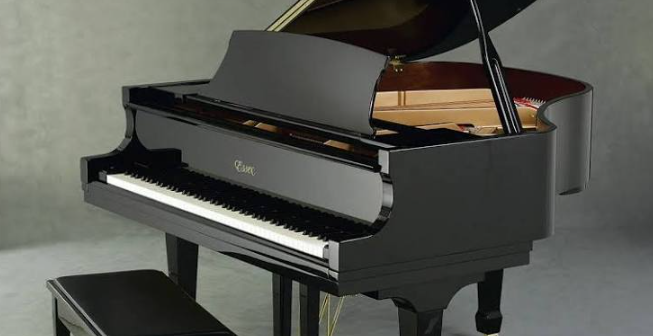
Learning to play the piano can be a rewarding experience at almost any age. It develops musical understanding, coordination, listening skills and patience. For beginners, however, choosing an instrument can feel complicated because there are many types, sizes and price ranges available.
The most suitable piano is not necessarily the most expensive or advanced model. It is the one that supports the learner’s current needs while providing enough room to develop new skills.
Understand the Different Types of Piano
Before making a purchase, beginners should understand the main types of instruments available.
Acoustic pianos produce sound through physical mechanisms involving hammers and strings. They are often valued for their natural touch and sound, but they require sufficient space and periodic tuning.
Digital pianos use electronic sound technology. Many models reproduce the feel of an acoustic keyboard while offering features such as headphone connections, volume control and built-in sounds.
Portable keyboards are generally lighter and may provide a range of sounds and learning features. They can be useful for casual practice, although their key action may differ from that of a traditional piano.
Consider the Importance of Weighted Keys
One of the most important features for a beginner is the keyboard’s touch. Acoustic pianos respond to the force applied to each key, allowing players to control dynamics and expression.
Digital pianos with weighted or hammer-action keys aim to recreate aspects of this response. This can help learners develop finger strength and become familiar with the feel of a conventional piano.
A keyboard with lighter keys may be suitable for basic music exploration, but students planning to study piano more seriously may prefer an instrument with a more realistic touch.
Choose an Appropriate Number of Keys
Many full-size pianos have 88 keys, covering a broad musical range. A full-size digital piano can be a suitable choice for learners who intend to progress through different levels of music.
Smaller keyboards may be more affordable and easier to place in limited spaces. However, a reduced key range can become restrictive as students begin learning more advanced pieces.
The choice should reflect the learner’s goals, available space and expected level of practice.
Think About Sound Quality
Sound quality can influence how enjoyable practice feels. Beginners should listen to the instrument using headphones and built-in speakers, if available.
A good piano sound should feel clear and balanced across different notes. It is also useful to test how the instrument responds when playing softly and loudly.
Some digital models offer additional instrument sounds, recording functions and learning features. These can be helpful, but the main piano sound and keyboard feel should remain the primary considerations.
Match the Instrument to the Learner’s Goals
A child beginning music lessons may have different requirements from an adult learning independently. A student preparing for graded examinations may need a more complete keyboard range and realistic touch.
Consider how often the learner expects to practise and whether lessons will be taken with a teacher. A suitable instrument should support regular practice rather than become an obstacle as skills improve.
It is also worth discussing the choice with a piano teacher, who may be able to recommend features appropriate to the learner’s current stage.
Consider Space, Headphones and Accessories
Space is an important practical factor. Acoustic pianos require a suitable position and enough room for comfortable playing. Digital pianos may offer more flexible placement, particularly compact models.
Beginners may also need a stable stand, adjustable bench, sustain pedal and headphones. These accessories can improve comfort and make practice more convenient.
Before buying, check whether essential accessories are included or need to be purchased separately.
Try Before Making a Decision
If possible, visit a music retailer and test several instruments. Play a few simple scales, press the keys at different strengths and compare the sound.
Trying an instrument provides a better understanding of its touch and response than photographs or written specifications alone.
A helpful starting point is to explore a guide to beginner pianos and compare the features that matter most to a new learner.
Frequently Asked Questions
1. Is a digital piano suitable for beginners?
Yes. A digital piano can be a practical starting point, particularly when it has weighted keys, a suitable sound and features that support regular practice.
2. Should a beginner buy an 88-key piano?
An 88-key instrument provides the full conventional piano range and can support long-term development. Smaller keyboards may suit limited budgets or casual learning.
3. Is it necessary to buy a piano bench and pedal?
A stable bench and sustain pedal are useful for developing proper playing habits. Check which accessories are included with the instrument.
Conclusion
Choosing a first piano involves balancing keyboard feel, sound quality, key range, space and budget. Beginners should focus on an instrument that encourages regular practice and supports gradual progress. Testing different models and considering advice from a music teacher can make the selection process more confident and practical.