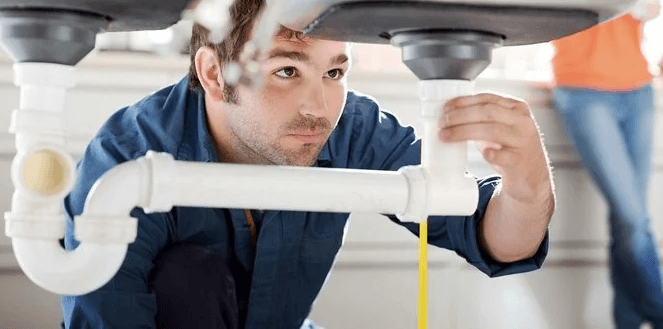
Small homes benefit from targeted, budget-conscious plumbing upgrades. Priorities include water-saving fixtures, durable fittings, and a tankless heater to cut ongoing costs. Leaks must be sealed, and drainage plans should emphasize proper venting and slope to prevent backups. A clear DIY sequence minimizes downtime. With predictable costs and lasting performance, the approach keeps comfort intact while preserving efficiency—and a practical path to ambitious improvements awaits, should curiosity persist.
Identify Your Small-Home Plumbing Priorities
Identifying priorities begins with a quick assessment of the home’s most-used systems and the costs of potential upgrades. The analysis isolates essential needs, balancing reliability and expense. This frugal plumbing approach emphasizes durable, low-maintenance choices and a clear budget. A priority assessment guides action, focusing on high-impact improvements that preserve freedom through predictable costs and trusted performance.
Replace Aged Fixtures With Water-Saving Options
Replacing aged fixtures with water-saving options is a practical step that yields immediate utility and long-term savings. The focus is on efficiency: install low flow faucets to reduce daily usage without sacrificing comfort, and consider tankless water heaters to cut standby energy and extend appliance life. These upgrades deliver reliable performance, lower bills, and greater home resilience.
Seal Leaks and Optimize the Drainage Plan on a Budget
Efficient plumbing starts with a tight envelope: sealing leaks and planning drainage to prevent waste and protect fixtures. The approach emphasizes leak sealing strategies, detects hidden drips, and prioritizes affordable fixes.
Drainage optimization focuses on pipe layout, venting, and slope checks to minimize backups. Practical, economical steps prevent costly repairs while preserving freedom in home maintenance and performance.
Plan DIY Upgrades and Scheduling for Minimal Downtime
To minimize disruption, approach upgrades with a clear sequence: map tasks, estimate durations, and designate a single weekend window or a few compact sessions, ensuring water service remains controllable and emergencies are foreseen.
This plan favors clarity and control.
Idea one emphasizes preparation; idea two stresses modular steps.
The approach remains practical, economical, and freedom-minded, avoiding unnecessary delays and complexity.
See also: Altcoins Explained: A Beginner’s Overview
Frequently Asked Questions
How Do I Measure ROI on Small-Bathroom Upgrades?
A straightforward method evaluates ROI on small-bathroom upgrades by tracking project costs against increased resale value and operating savings. ROI metrics focus on fixture resale value and payback period, guiding decisions without overinvestment for the freedom-minded homeowner.
Are There Grants or Rebates for Small-Home Plumbing Fixes?
Calmly, grants overview and rebates eligibility exist for small-home plumbing fixes; the review notes potential funds and conditions. The outlook remains practical: eligible applicants pursue programs, verify criteria, and submit paperwork while preserving autonomy and financial prudence.
Which Tools Are Essential for Beginner DIY Plumbing?
They should start with essential basic tools and safety gear, noting a beginner can handle simple fixes. The list includes a wrench, pliers, tape measure, screwdriver set, plumb line, and a basic headlamp, plus gloves and goggles for safety.
How Long Does a Typical Minor Plumbing Upgrade Take?
A typical minor plumbing upgrade takes a few hours to a full day, depending on scope and access. This two word idea: efficiency, planning. The discussion idea emphasizes quick, practical steps, tools, and safe, autonomous execution.
Can I Upgrade Piping Without Full Fixture Replacement?
A striking statistic: 30% of leaks stem from aging piping. Yes, one can upgrade piping without full fixture replacement. Can I upgrade piping, Fixtures only, while preserving existing fixtures, focusing on targeted valving, connections, seals, and code-compliant improvements. Economical.
Conclusion
In a steady, thrifty rhythm, the home’s plumbing gains quiet efficiency. By prioritizing high-impact upgrades, the odds of pricey surprises shrink and reliability grows like a sturdy scaffold supporting daily life. A calculated sequence of fixes—water-saving fixtures, tankless heat, leak sealing, and smart drainage—keeps costs predictable and downtime minimal. The result is a lean, dependable system that behaves like a well-tuned engine, delivering comfort without waste or wasteful expense.