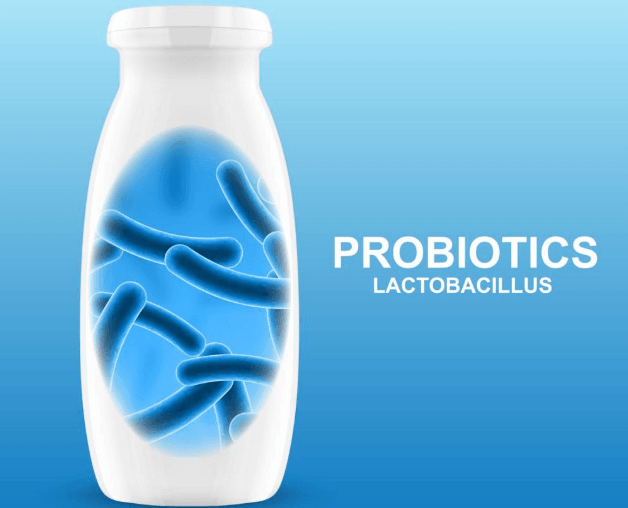
A healthy gut is the foundation of overall well-being. From digestion to immunity and even mental health, your gut plays a crucial role in keeping your body balanced. If you’ve been searching for the best foods for gut health, you’re in the right place. This guide breaks down scientifically supported foods that nourish your microbiome and help your digestive system thrive.
Why Gut Health Matters
Your gut is home to trillions of microorganisms—collectively called the gut microbiome. These bacteria, fungi, and microbes influence:
- Digestion and nutrient absorption
- Immune system strength
- Mood and mental clarity
- Inflammation levels
When your gut is balanced, you feel energized and healthy. When it’s not, issues like bloating, fatigue, and even skin problems can arise.
Top Best Foods for Gut Health
Let’s explore the most effective foods you can include in your daily diet to support a healthy gut.
1. Yogurt: A Probiotic Powerhouse

Yogurt is one of the most well-known probiotic foods. It contains live bacteria that help restore balance in your gut.
Benefits:
- Improves digestion
- Boosts immune function
- Helps reduce bloating
How to Use:
- Choose plain, unsweetened yogurt
- Add fruits or honey for natural sweetness
- Consume daily for best results
2. Kefir: A Stronger Probiotic Alternative

Kefir is a fermented dairy drink richer in probiotics than yogurt.
Why It’s Great:
- Contains diverse beneficial bacteria
- Easier to digest than milk
- Supports gut lining health
3. Sauerkraut: Fermented and Fiber-Rich

Made from fermented cabbage, sauerkraut is packed with probiotics and fiber.
Key Advantages:
- Enhances gut bacteria diversity
- Supports digestion
- Provides vitamins C and K
4. Kimchi: Spicy and Gut-Friendly

Kimchi is a traditional Korean dish made from fermented vegetables.
Benefits:
- Rich in probiotics
- Contains antioxidants
- Helps reduce inflammation
5. Whole Grains: Fuel for Good Bacteria

Whole grains act as prebiotics, feeding the good bacteria in your gut.
Examples:
- Oats
- Brown rice
- Quinoa
Why They Matter:
- Promote healthy digestion
- Improve gut microbiome diversity
6. Bananas: Gentle and Effective

Bananas are rich in natural fibers that support digestion.
Benefits:
- Easy to digest
- Help restore gut balance
- Reduce bloating
7. Garlic: A Natural Prebiotic

Garlic feeds beneficial gut bacteria and improves overall gut health.
Highlights:
- Boosts immune system
- Encourages growth of good bacteria
- Reduces harmful microbes
8. Onions: Rich in Prebiotic Fiber

Onions are loaded with inulin, a fiber that promotes gut health.
Benefits:
- Improves digestion
- Supports gut bacteria growth
9. Apples: Fiber and Polyphenols

Apples contain pectin, a fiber that supports beneficial gut bacteria.
Why Eat Apples:
- Aid digestion
- Improve gut microbiota balance
10. Bone Broth: Healing for the Gut Lining

Bone broth is rich in collagen and amino acids.
Benefits:
- Strengthens gut lining
- Reduces inflammation
- Supports digestion
Foods to Avoid for Gut Health
While focusing on the best foods for gut health, it’s equally important to limit harmful foods:
- Processed foods
- Excess sugar
- Artificial sweeteners
- Fried foods
These can disrupt your gut microbiome and lead to digestive issues.
Tips to Improve Gut Health Naturally
Along with eating the right foods, follow these habits:
- Stay hydrated
- Eat slowly and mindfully
- Include fiber-rich foods daily
- Avoid unnecessary antibiotics
- Manage stress effectively
FAQs About Best Foods for Gut Health
1. What is the fastest way to improve gut health?
Eating probiotic and prebiotic foods consistently, staying hydrated, and reducing processed foods can quickly improve gut health.
2. Are probiotics better than prebiotics?
Both are important. Probiotics add good bacteria, while prebiotics feed them.
3. How long does it take to heal the gut?
It can take a few weeks to several months depending on your diet and lifestyle.
4. Is yogurt enough for gut health?
Yogurt helps, but a diverse diet with multiple gut-friendly foods is more effective.
5. Can gut health affect mood?
Yes, the gut-brain connection means poor gut health can impact mood and mental health.
Conclusion
Choosing the best foods for gut health doesn’t have to be complicated. By incorporating probiotic-rich foods like yogurt and kefir, along with fiber-packed fruits, vegetables, and whole grains, you can create a balanced gut environment. Small dietary changes can lead to big improvements in digestion, immunity, and overall health.
Start simple, stay consistent, and your gut will thank you.